
.png)
October 2, 2026
12 mins read
Webflow Algolia Search and Sync App: What You Need to Know

Explore appsrow with AI
Search engines are no longer simple tools that direct users to websites. In 2026, they function more like intelligent advisors that interpret questions, understand context, and deliver complete answers in real time. Users expect instant clarity, not a list of links. This transformation has quietly changed what success in search optimization really means. Visibility today is earned through relevance, trust, and depth rather than sheer rankings.
As artificial intelligence becomes the foundation of modern search experiences, businesses must adapt their SEO strategies to match this new reality. Concepts like AI search, Answer Engine Optimization, and zero click results are no longer optional trends but core components of digital growth. This blog explores how SEO is evolving in 2026, why traditional tactics are losing effectiveness, and how brands can build sustainable visibility in an environment where being cited matters more than being clicked.
Search has shifted from retrieval to reasoning. Earlier search engines matched keywords and returned pages based on technical signals. Modern AI powered engines analyze intent, context, historical behavior, and credibility before generating an answer. Instead of asking users to find information, search systems now deliver information directly.
This evolution has redefined competition. Businesses are no longer competing only for rankings but for inclusion in AI generated responses. Search engines now evaluate which sources deserve to be trusted, summarized, and referenced. This places a much higher value on accuracy, clarity, and subject matter expertise.
AI search engines rely on advanced language models and real time data interpretation. They process entire topics rather than isolated keywords. When a user asks a question, the system evaluates multiple trusted sources, extracts relevant insights, and generates a clear response.
For content creators and marketers, this means that fragmented content no longer performs well. Pages must provide complete explanations that address the topic holistically. AI search rewards content that demonstrates understanding rather than repetition.
Key characteristics of AI friendly content include logical flow, clear explanations, and factual consistency. Pages that answer questions directly while also offering deeper context are more likely to be referenced by AI systems.
In 2026, keyword density has little influence on performance when compared to intent alignment. Search engines understand language variations and synonyms naturally. They focus on what the user wants to achieve rather than the exact words used.
Modern SEO strategies begin with intent analysis. This includes understanding whether the user wants to learn, compare, evaluate, or make a decision. Content that aligns closely with a specific intent performs better than content that tries to target everything at once.
Instead of repeating keywords, successful pages use natural language, clear examples, and structured explanations. This approach improves both user experience and AI comprehension.
Answer Engine Optimization focuses on making content easy for AI systems to extract and present as direct answers. This is one of the most important SEO trends of 2026.
AI engines favor content that provides clear definitions, concise summaries, and logical breakdowns of complex ideas. Pages that start by answering a question clearly and then expand with supporting information perform especially well.
Effective Answer Engine Optimization includes structured headings, question based sections, and content that anticipates follow up queries. The goal is to make your content the most complete and reliable answer available.
Zero click searches have become a dominant pattern in informational queries. Users often receive answers directly on the search interface without visiting any website. While this may appear to reduce traffic, it creates new opportunities for brand visibility.
Being referenced in AI generated answers builds credibility and awareness. Even without a click, users remember the brands that consistently appear as trusted sources. Over time, this recognition influences buying decisions and brand preference.
Success in zero click environments requires a shift in mindset. SEO is no longer only about traffic volume but about influence and authority.
Shallow content struggles to survive in AI driven search. Search engines evaluate whether a page truly understands the topic or simply rephrases existing information.
In 2026, depth matters more than frequency. One well researched and comprehensive article can outperform dozens of generic posts. Content should explore topics from multiple angles, explain underlying concepts, and provide practical insights.
This approach not only improves search visibility but also strengthens brand trust. Readers are more likely to engage with content that feels thoughtful and informed.
Search engines increasingly evaluate the credibility of the brand behind the content. Consistency across platforms, clarity of messaging, and demonstrated expertise all contribute to authority signals.
This is why SEO and branding strategies are now deeply connected. Many companies work with a b2b branding agency to ensure that their positioning, voice, and expertise are clearly communicated across all digital touchpoints. Strong brand signals help AI systems determine which sources deserve visibility.
Brand authority is built over time through consistent value, not aggressive optimization tactics.
Modern search engines analyze multiple trust indicators. These include author expertise, topical consistency, content accuracy, and external references. Experience and real world knowledge are especially valuable signals.
Content written from a practical perspective often performs better than purely theoretical explanations. AI systems recognize patterns that indicate genuine understanding.
Transparency also matters. Clear explanations, logical structure, and factual accuracy all contribute to trustworthiness.
Content structure plays a critical role in SEO success. Well organized content helps AI extract information efficiently while also improving readability for users.
Effective structure includes descriptive headings, clear sections, and logical progression. Each section should focus on a single idea and build upon the previous one.
This structure improves engagement, reduces confusion, and increases the likelihood of being referenced in AI generated responses.
Search queries are becoming more conversational as voice search and AI chat interfaces grow. Users ask complete questions rather than typing short phrases.
Content that mirrors this natural language style performs better. Writing in a clear, conversational tone helps both users and AI systems understand the message.
This does not mean sacrificing professionalism. It means prioritizing clarity over complexity and explanation over jargon.
In 2026, branding plays a direct role in search visibility. Search engines recognize brands that demonstrate consistency, expertise, and trustworthiness across channels.
A strong branding agency helps businesses align messaging, visuals, and content strategy. This alignment strengthens authority signals and improves SEO performance over time.
Brand recognition also improves performance in zero click environments, where visibility matters more than immediate traffic.
Traditional metrics like rankings and traffic are still useful but no longer sufficient. Modern SEO measurement includes brand mentions in AI responses, inclusion in featured answers, and visibility across search interfaces.
Engagement quality and assisted conversions are also important indicators. SEO success is now measured by influence and impact rather than clicks alone.
Businesses that adapt their analytics approach gain a clearer understanding of their true search performance.
To succeed in 2026, businesses must rethink their SEO foundations. This includes focusing on intent driven content, building topical authority, and aligning SEO with brand strategy.
SEO is no longer a technical task handled in isolation. It is a strategic discipline that supports long term credibility and growth.
Organizations that invest in quality, clarity, and trust will remain visible even as search continues to evolve.
SEO in 2026 is defined by intelligence, context, and trust. Artificial intelligence has reshaped how information is discovered and delivered, shifting the focus from rankings to relevance. Businesses that continue to rely solely on outdated tactics will struggle to compete in an environment where answers are generated instantly and authority determines visibility.
The brands that win in this new era are those that understand search as a credibility engine rather than a traffic tool. By creating meaningful content, optimizing for answers, and strengthening brand authority, organizations can achieve lasting visibility even in zero click search environments. The future of SEO belongs to those who focus on being genuinely useful, consistently reliable, and deeply trusted.
If your website isn't easy to understand, you're giving away opportunities
before the conversation even starts.
Get a free review of how your website appears to AI-powered search and discovery tools.
GOT QUESTIONS ?
What are the most important SEO trends businesses need to know in 2026?
The biggest 2026 shifts are AI-generated search answers replacing blue links, Answer Engine Optimization for platforms like ChatGPT and Perplexity, and zero-click results that reward featured snippets and direct citations. Content authority and semantic structure now matter more than keyword density. Appsrow's AEO & SEO service is built around exactly these 2026 realities.
How can businesses adapt their SEO strategy to stay visible in 2026?
Build deeply structured, topic-led content, add schema markup for rich results, and keep a consistent brand presence across the platforms AI systems reference. Fast load times and clean, crawlable HTML remain non-negotiable foundations. See how Appsrow approaches schema markup on Webflow sites.
How should businesses adapt their SEO strategy specifically for 2026?
With AI answers cutting click-through on informational queries, businesses need to optimize for featured snippets, AEO citation visibility, and branded search alongside standard rankings. Pairing this with solid technical SEO keeps organic growth intact. Appsrow's guide on how Webflow supports AEO covers the mechanics.
What should businesses prioritize in their SEO strategy for 2026?
Focus on four pillars: topical authority clusters, AEO-optimized FAQ and how-to content, passing Core Web Vitals on every device, and earning links from authoritative sources. Together these cover both traditional and AI-driven visibility. Appsrow breaks down more SEO tooling recommendations.
What content quality signals matter most for SEO rankings in 2026?
First-hand expertise, original research, and practitioner insight now outweigh generic, keyword-stuffed writing, since AI can't fabricate real data or case studies. Content that synthesizes multiple expert views earns far more citations. This blog is written by Parth Parmar, Appsrow's Webflow Expert and CTO.
How does the rise of zero-click search affect SEO strategy in 2026?
Zero-click results now satisfy most informational intent without a site visit, so the goal shifts to becoming the cited source rather than chasing the click. Brand trust built through AI citations still drives conversions via later direct searches. Appsrow's AEO readiness guide helps you check where your site stands.
Is technical SEO still important in 2026 with AI search taking over?
Yes, without crawlability, fast load speeds, and accurate schema, even great content won't get discovered or cited by search engines or AI. Core Web Vitals and mobile-first performance remain non-negotiable. Appsrow's site speed optimization checklist is a practical starting point.
Why has E-E-A-T become so important for SEO rankings in 2026?
Google leans on E-E-A-T to separate genuinely expert-produced content from AI filler, using author credentials, case studies, and original research as differentiators. Sites with real, demonstrated experience simply rank above generic competitors. Appsrow's team background is on our about page.
How do I measure SEO success in 2026 beyond traditional keyword rankings?
Track branded search growth, featured snippet ownership, AI citation mentions in tools like ChatGPT, and organic conversion rate alongside rankings. These signals paint a fuller picture than traffic alone. Appsrow can set up this kind of measurement framework for your Webflow site.
How important is video SEO for search rankings in 2026?
Video is increasingly surfaced in search results and cited by AI engines as reference material, especially with proper VideoObject schema and transcripts attached. Embedding video with the right structured data extends its SEO value well beyond the page it sits on. Appsrow's glossary covers schema and structured data terms like this.
How has link building changed for SEO in 2026?
The focus has moved from volume-based link building to earning editorial citations, roundup mentions, and brand references from data-driven, original content. Low-quality tactics have become increasingly ineffective as algorithms mature. Appsrow's case studies show the kind of work that naturally earns these mentions.
What does effective local SEO look like for businesses in 2026?
Local SEO in 2026 means an actively maintained Google Business Profile, consistent NAP citations, local backlinks, and location-specific landing pages with LocalBusiness schema. AI engines increasingly pull local business details straight from GBP for local queries. Appsrow's GEO guide covers ranking in AI-driven local and global search.
What does effective local SEO look like in 2026?
Local SEO in 2026 requires maintaining accurate and comprehensive Google Business Profile information, earning consistent positive reviews, building local citation consistency across directories, and producing locally relevant content that addresses hyperlocal questions AI systems are asked about your area and industry. Voice search optimization for local queries is increasingly important as AI assistant usage grows. Appsrow implements local SEO strategies for Webflow sites that combine technical optimization with content and GBP management for maximum local search visibility.
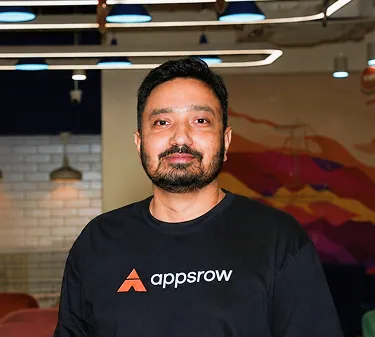
Parth Parmar is a Webflow Expert and Co-Founder & CTO at Appsrow Solutions. He has delivered 300+ Webflow projects for 25+ global B2B brands, helping SaaS companies, AI startups, and tech businesses build conversion-focused websites with scalable CMS, AEO-ready architecture, and measurable growth.
CURATED READING
.png)
.png)